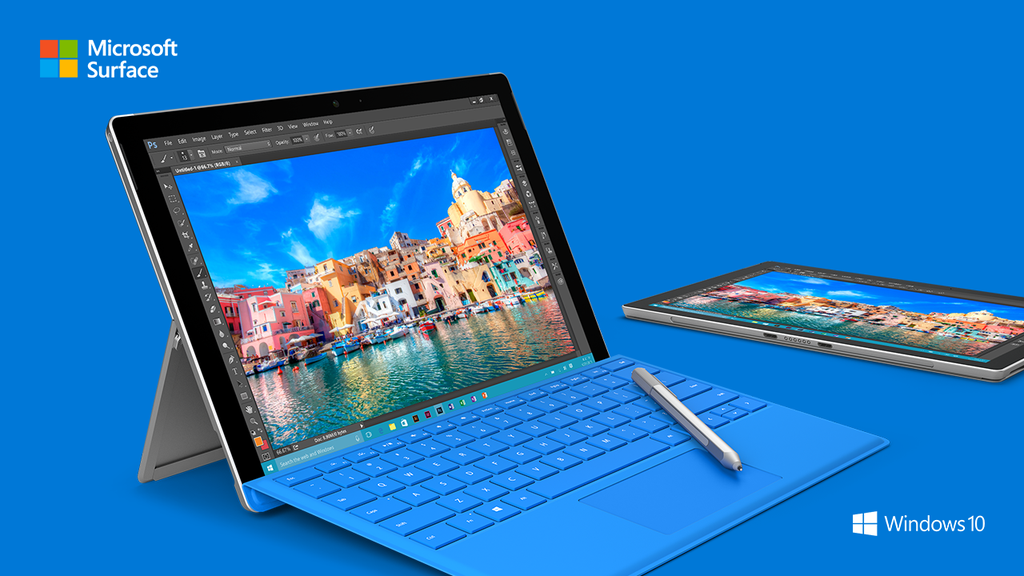
If you’re in the business of custom t-shirt printing, then you know that achieving vibrant and long-lasting prints is key to satisfying your customers. Okay, don’t get me wrong, once you’ve invested in the best Tshirt heat press machine, the end results will definitely be great. But how exactly can you make sure that your designs pop with color and withstand countless washes? Fear not, because we’re going to answer this very question below.
Pre-Press Your T-Shirts
 Prepping your t-shirts before the printing process is crucial to achieving professional-looking results. Start by giving them a thorough wash to remove any dirt or chemicals that may affect the adhesion of the transfer materials. Once clean, make sure they are completely dry before moving on. Next, you’ll want to pre-press your t-shirts using a heat press machine. This step helps eliminate moisture and wrinkles, ensuring a smooth surface for printing. Place a good-quality Teflon sheet or parchment paper over the area where you’ll be applying the design, then press it with medium pressure and temperature for around 5 seconds.
Choose the Right Transfer Materials
Now, it’s time to position your transfer design on the shirt. But before that, be sure you’re using the right transfer materials, as they can greatly impact the quality and longevity of your designs. So consider the fabric composition of the shirts you will be printing on. Different fabrics require different types of transfer materials. For example, if you’re working with 100% cotton shirts, traditional plastisol transfers may work well.
However, if you are printing on polyester or performance fabrics, sublimation, or heat transfer, vinyl might be a better choice. Think about the design itself. Will it have intricate details or multiple colors? If so, you’ll want to opt for a transfer material that can handle these complexities without sacrificing clarity or vibrancy. Heat-transfer vinyl and screen-printed transfers are both great options for detailed designs.

Monitor the Time and Temperature Used
This step ensures that your designs are properly transferred onto the fabric, resulting in high-quality prints that will withstand multiple washes. To start, always refer to the manufacturer’s instructions for recommended time and temperature settings. These guidelines serve as a valuable starting point but may need adjustments based on factors such as the type of transfer material used or your specific heat press machine. During each pressing cycle, keep a close eye on both the timer and temperature gauge. Set a timer to ensure consistent application times across all shirts in your production run. This helps prevent under or overexposure to heat, which can affect print quality and durability.
Nail the Post-Press Care
Once your heat press process is complete, remove the shirt from the machine immediately. Be careful not to touch or smudge the design while it’s still hot – give it a few minutes to cool down before handling. Once cooled, gently peel off any protective film or paper used during pressing. Take care not to tug or pull at the design, as this can cause cracking or peeling over time.
Next, allow your shirts to be fully cured before washing them. This typically requires waiting 24 hours after pressing. During this time, avoid folding or stacking them on top of each other in order to prevent unwanted creases. For washing your printed shirts, turn them inside out before tossing them in the machine. This helps protect both the print and fabric from abrasion against other garments.
Achieving vibrant and durable t-shirt prints for your business is not an easy task, but with the right techniques and tools, it can be done. By following these heat press tips, you can ensure that your designs come out looking professional and long-lasting.…

 Another important consideration is the consultant’s area of expertise. You will want to ensure that the consultant you choose has experience in the areas you need help with. For example, if you are starting a new business, you will want to find a consultant with expertise in business planning and startup. If you want to improve your marketing, you will want to find a consultant with experience in marketing and advertising.
 Another important consideration is the consultant’s fee. You will want to ensure you can afford the consultant’s services. Fees can vary widely, so it is vital to get an estimate from the consultant before making a decision. in addition to the hourly rate, you will also want to ask about any other charges, such as travel expenses. You can also check with your local chamber of commerce or business association. These organizations often have lists of recommended consultants along with their fees.




 In the following guide, I discuss precisely how you can get your movie back on the current market, and a few of the ways I cite would be to create video content that fulfills your blog entries so you can present them onto your organization’s site. Inform your loved ones and friends about your beginning. Make sure you go over what it is that you will likely perform, but who the website can help you and that you’ll turn to for your own gifts.
 Everyone enjoys a discount. The more intriguing deal, the merrier individuals will visit your place. As an example, if you provide a discount voucher, for example, 30% + 20% to many things, it ensures that lots of clients will visit your location concurrently. For that reason, it may be a fantastic way to raise your organization’s earnings, and such folks may disperse this advertising mouth or discuss it with their interpersonal websites.
 In this article, a small business owner running for a search engine optimization wants to share his thought and highlight the key benefits of search engine optimization. For a starter, it is essential to notice that SEO is not complicated. More importantly, you do not need a significant budget when you are doing search engine optimization just one step at a time, and do not expect results overnight. This collection of techniques would help small companies to maximize their website by focusing on the facts. This way, you can improve your website’s performance and generate more visitors and profits for your business noticeably. Check out more advantages of SEO for small businesses below.
 Search engines like Google offer a service to their customers. They like to provide their customers with high quality and relevant content when they enter a search request. Because your site is optimized with the right key phrases, people who visit your site are targeted and should be closer to conversion, like
  Everyone tries to appear on the front pages of search results, but of course, not everyone succeeds. You need to be one step ahead of your competitors. There are many ways to do it, such as ensure a high ranking of your website by increasing your brand and your company’s visibility. Besides, an optimized website will probably be easy to find in search engines. Keyword-rich content will also be indexed, and if the search engine retrieves only part of the information on that site, it will be easy to find the brand again.






 Another factor that negatively affects businesses is loss of productivity. Although it is quite different from stealing inventory from a business, employees wasting valuable time are indeed stealing from the company. Employee monitoring systems help increase overall productivity. Not only employees are motivated to reduce their time, but managers also help identify weaknesses. Increased productivity can benefit the business’s bottom line, particularly when increasing the overall efficiency of operation. There are also other areas that could be impacted to help boost profitability and productivity.